
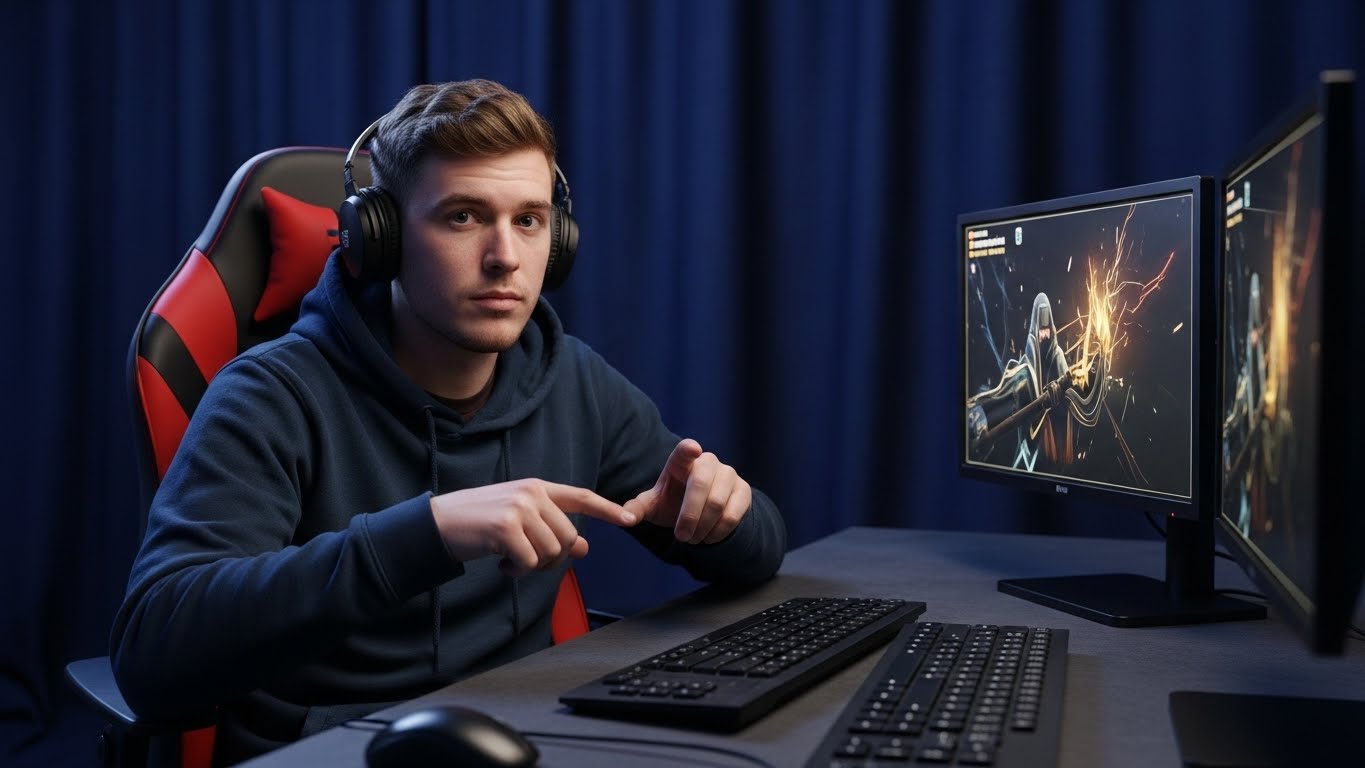
Introduction: Gaming as a Gateway to Imagination
Gaming has evolved into more than just a form of entertainment. Today, it is a cultural phenomenon that influences social interaction, creativity, education, and technology. From early arcade machines to modern consoles and mobile devices, gaming has become an immersive experience where players engage in storytelling, strategy, and problem-solving. It offers a unique blend of challenge, creativity, and social connection. This blog explores the world of gaming, its evolution, and the impact it has on players and society as a whole.
The Evolution of Gaming: From Pixels to Photorealism
The journey of gaming began with simple, pixelated screens and basic mechanics. Early arcade games and home consoles were limited by technology but sparked imagination and competition. Players were challenged to achieve high scores, master patterns, and complete levels. Over the decades, advancements in graphics, processing power, and software design have transformed games into rich, interactive worlds. Modern games feature complex narratives, realistic physics, and lifelike characters. This evolution allows players to experience immersive stories that rival books and movies in depth and engagement.
Immersive Storytelling: The Power of Player Choice
One of gaming’s most compelling aspects is its ability to deliver interactive narratives. Unlike films or novels, games allow players to influence outcomes and make choices that shape the story. Decisions in gameplay can have long-lasting consequences, creating a personalized experience. Modern games tackle themes such as morality, identity, and societal issues, challenging players to think critically about their actions. This level of engagement fosters emotional investment, making the gaming experience uniquely personal. Players do not just watch a story unfold—they participate in it.
Social Connection Through Gaming
Gaming is no longer a solitary activity. Online multiplayer platforms and digital communities have transformed gaming into a social experience. Players connect with friends and strangers alike to collaborate, compete, and communicate. Virtual teams require cooperation, strategic thinking, and communication, helping players develop social and leadership skills. Many find a sense of belonging in gaming communities, sharing achievements, strategies, and experiences. Gaming provides opportunities for meaningful social interaction, bridging distances and creating lasting friendships across the globe.
Competitive Gaming and Esports: Gaming as a Profession
The rise of esports has transformed gaming into a legitimate career path. Competitive players dedicate hours to mastering mechanics, strategy, and teamwork. Professional tournaments attract millions of viewers worldwide and offer substantial prize pools. Esports has also created roles beyond gameplay, including coaches, analysts, event organizers, and content creators. Competitive gaming demonstrates that gaming is not only entertainment but also a skill-based profession. The discipline and focus required in esports highlight gaming as a serious pursuit that combines talent, strategy, and dedication.
Creativity and Modding: Players as Innovators
Beyond playing games, many players engage in creativity through game design and modification. Modern platforms allow users to create custom levels, design characters, and even develop entirely new games. This creative freedom encourages self-expression and imagination. Fan-made content often inspires developers and leads to innovations within the industry. Gaming is not only a medium for play but also a canvas for artistic expression. Players become creators, shaping worlds and narratives that entertain and inspire others.
Educational Value: Learning Through Games
Games can be powerful educational tools. They encourage problem-solving, critical thinking, memory development, and strategic planning. Many educational games introduce complex concepts through interactive simulations, making learning more engaging. Subjects like history, science, and mathematics are brought to life through immersive experiences. Gamification techniques are increasingly used in classrooms and training programs to motivate learners. By combining fun with learning, games demonstrate that education can be interactive, engaging, and memorable.
Mental Health and Emotional Wellbeing
Gaming can have a positive impact on mental health when practiced responsibly. Immersive gameplay provides relaxation, stress relief, and a sense of accomplishment. Certain games are designed to promote mindfulness, self-reflection, and emotional growth. Players can explore challenging scenarios safely, process emotions, and build resilience. Gaming also fosters social interaction and community engagement, both of which contribute to emotional wellbeing. Moderation is key, but when balanced with other activities, gaming is a constructive tool for personal growth.
Mobile Gaming: Entertainment in the Palm of Your Hand
Mobile gaming has transformed accessibility and convenience. Smartphones enable players to enjoy interactive experiences anytime and anywhere. From short puzzle games to expansive mobile RPGs, mobile platforms cater to diverse preferences. This accessibility has introduced gaming to billions, making it an everyday form of entertainment. Mobile games also encourage creativity and social connection, as players often share achievements and experiences through online platforms. The rise of mobile gaming shows that gaming is no longer confined to consoles and PCs—it is a universal experience.
Gaming Culture: Expression and Identity
Gaming has created a vibrant global culture. Fans express themselves through cosplay, fan art, streaming, and community events. These activities allow players to connect with others, celebrate creativity, and build shared identities. Gaming culture also reflects social values such as diversity, inclusion, and innovation. Communities foster collaboration, discussion, and celebration of favorite games and characters. Gaming has become more than a pastime; it is a cultural force that shapes fashion, music, storytelling, and social interaction.
Technological Innovation Driven by Gaming
The gaming industry is a major driver of technological advancement. Innovations in graphics, artificial intelligence, virtual reality, augmented reality, and motion-sensing technology originated or gained traction through gaming. These advancements now have applications in healthcare, education, architecture, and professional training. Gaming pushes boundaries, inspiring innovation that impacts broader society. Its role in technological progress highlights gaming’s importance beyond entertainment, showcasing it as a catalyst for creative and practical solutions.
Challenges and Opportunities in Gaming
Despite its benefits, gaming faces challenges. Online harassment, excessive screen time, accessibility barriers, and lack of representation in certain games are ongoing concerns. Developers and communities are working to create safer, more inclusive spaces for players of all backgrounds. These challenges also present opportunities for growth and innovation, encouraging responsible design and community-building efforts. Addressing these issues ensures gaming remains a positive, enriching, and sustainable medium for entertainment, learning, and social interaction.
The Future of Gaming: Infinite Possibilities
The future of gaming promises even greater immersion, creativity, and connectivity. Virtual reality and augmented reality will create experiences that blur the line between the digital and physical worlds. Cloud gaming and artificial intelligence will enable more personalized and adaptive gameplay. Games will continue to foster creativity, learning, and social interaction, offering new ways to explore and experience stories. As technology advances, gaming will remain at the forefront of cultural, educational, and social innovation, shaping the future of entertainment and human connection.
Conclusion: Gaming as a Mirror of Human Potential
Gaming is more than a form of entertainment; it is a reflection of human creativity, curiosity, and connection. From immersive storytelling to competitive esports, educational benefits, and cultural impact, gaming influences multiple aspects of our lives. It encourages creativity, fosters social bonds, advances technology, and supports personal growth. Gaming allows players to explore worlds, solve challenges, and express themselves in ways that resonate beyond the screen. It is a medium that continues to shape culture, technology, and human experience, proving that play is an essential part of human life.