
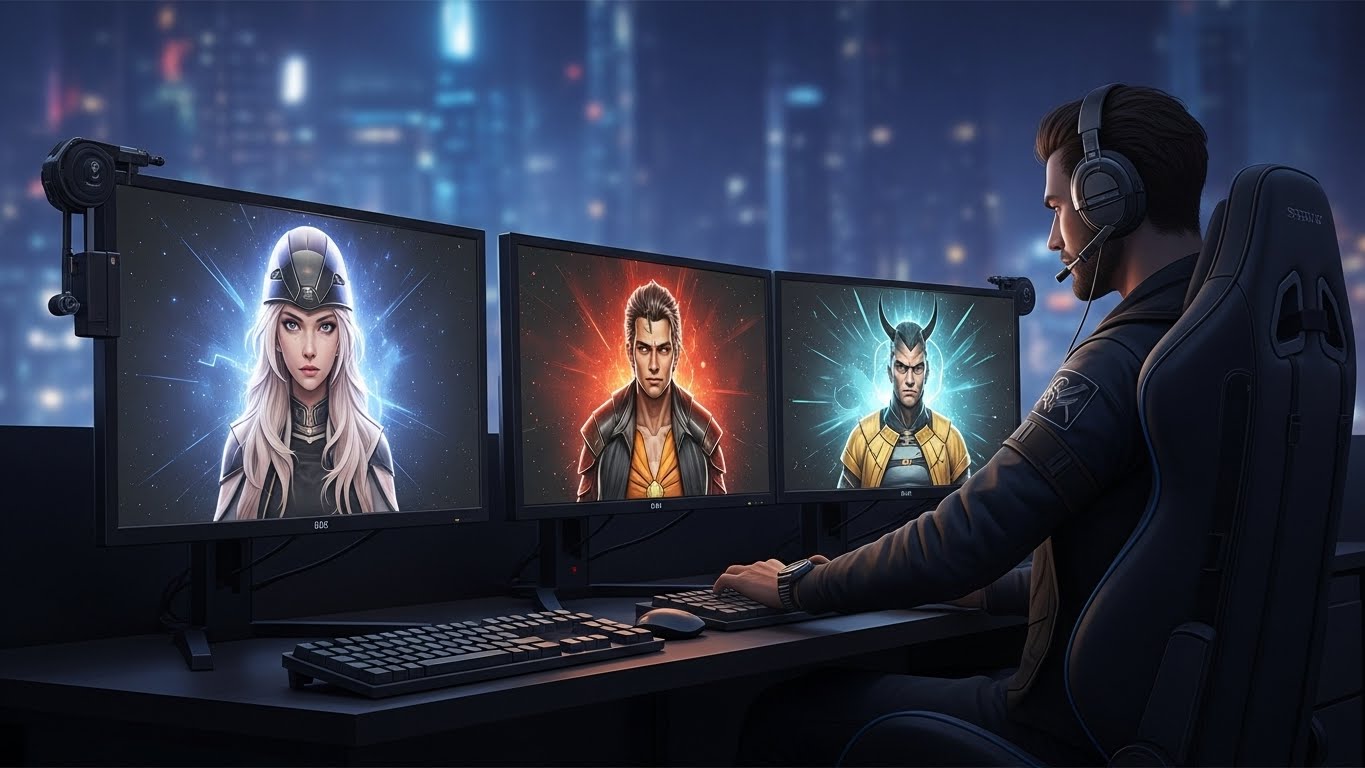
Gaming has evolved from a niche hobby to a global phenomenon that influences culture, technology, and entertainment. Once confined to arcades and early home consoles, gaming now spans consoles, PCs, mobile devices, and cloud-based platforms, reaching billions of players worldwide. Beyond entertainment, gaming fosters creativity, strategic thinking, social interaction, and even professional opportunities. This blog explores the multifaceted impact of gaming, its evolution, the benefits and challenges it presents, and the ways it continues to shape society.
The Evolution of Gaming
Gaming has a rich history that dates back to simple electronic games in the 1970s and 1980s. Early titles such as Pong and Space Invaders laid the foundation for interactive digital entertainment. The 1980s and 1990s saw the rise of home consoles like the Nintendo Entertainment System and Sega Genesis, which brought immersive experiences into living rooms.
With the advent of personal computers, multiplayer online games emerged, allowing players to connect and compete across distances. The internet revolutionized gaming in the late 1990s and early 2000s, leading to the creation of online communities, massive multiplayer platforms, and esports competitions. Today, gaming includes virtual reality, augmented reality, cloud gaming, and mobile apps, reflecting a technological and cultural evolution that continues to expand the possibilities of interactive entertainment.
Gaming as a Form of Entertainment
At its core, gaming is a form of entertainment that provides enjoyment, escapism, and engagement. Story-driven games transport players to immersive worlds, where they can experience narratives and scenarios far removed from daily life. Action and adventure games offer excitement and adrenaline, while puzzle and strategy games challenge players’ intellect and problem-solving abilities.
Gaming is also interactive, allowing players to influence outcomes, explore alternate realities, and make decisions that shape their experiences. Unlike passive forms of entertainment such as movies or television, gaming engages the mind and body, offering a dynamic and participatory experience that captivates millions worldwide.
Social and Community Aspects of Gaming
Gaming is increasingly social. Multiplayer games allow players to collaborate, compete, and communicate in real-time, creating virtual communities that transcend geographic boundaries. Online platforms host tournaments, guilds, and forums where players share strategies, form friendships, and celebrate achievements.
Esports has taken social gaming to a professional level, turning competitive play into spectator entertainment. Fans follow players and teams, participate in discussions, and engage in shared experiences. Gaming communities foster belonging and interaction, highlighting the social and cultural significance of modern gaming.
Cognitive and Skill Benefits
Gaming offers more than entertainment; it also develops cognitive and practical skills. Strategic games enhance problem-solving, decision-making, and critical thinking, while fast-paced action games improve reflexes, hand-eye coordination, and multitasking abilities. Simulation games teach resource management, planning, and adaptability.
Studies indicate that certain games can improve memory, spatial awareness, and concentration. Beyond cognitive skills, gaming encourages perseverance and goal-setting. Players learn from failures, refine strategies, and celebrate incremental progress, lessons that are transferable to personal and professional life.
Gaming and Creativity
Many games foster creativity by allowing players to design, build, and customize experiences. Sandbox and world-building games, for example, provide tools to create environments, stories, and unique challenges. Role-playing games encourage imaginative thinking, problem-solving, and character development.
User-generated content has become a significant aspect of gaming culture. Players design mods, levels, and art, sharing creations with communities and influencing the evolution of games themselves. This creative engagement enhances the gaming experience and nurtures innovation and artistic expression.
Gaming as a Professional Opportunity
The rise of professional gaming and esports has transformed gaming into a viable career path. Skilled players can compete in tournaments, secure sponsorships, and earn significant income through streaming, content creation, and competitive play. Professional gaming organizations provide training, coaching, and support, mirroring traditional sports structures.
Beyond playing, careers in gaming extend to game development, design, marketing, journalism, and broadcasting. The gaming industry offers diverse opportunities for individuals passionate about technology, storytelling, and entertainment, demonstrating the sector’s growing economic and professional impact.
Gaming Technology and Innovation
Technological innovation drives gaming evolution. Graphics, artificial intelligence, virtual reality, augmented reality, and cloud computing have revolutionized how games are designed, played, and experienced. Modern gaming consoles and PCs deliver hyper-realistic visuals and immersive audio, creating lifelike experiences.
Virtual and augmented reality expand interactive possibilities, allowing players to step into fully immersive worlds. Cloud gaming removes hardware barriers, enabling access to high-quality games on multiple devices. Artificial intelligence enhances gameplay through adaptive opponents, dynamic worlds, and personalized challenges. Technology ensures gaming remains at the forefront of entertainment innovation.
Educational Applications of Gaming
Gaming has significant educational potential. Serious games and educational apps teach subjects such as math, science, history, and language in engaging and interactive ways. Gamified learning uses reward systems and interactive challenges to motivate students, improving retention and comprehension.
Simulation games provide practical training in fields like medicine, aviation, and engineering. By replicating real-world scenarios, gaming allows learners to experiment, make decisions, and develop skills in a safe and controlled environment. Educational gaming demonstrates how play and learning can intersect to enhance cognitive and practical development.
Gaming and Mental Health
While gaming can offer stress relief, relaxation, and entertainment, it also has mental health implications. Moderate gaming has been shown to reduce anxiety, improve mood, and provide social connection. Role-playing and adventure games offer immersive escapes from everyday stress, while multiplayer interactions foster friendships and support networks.
However, excessive gaming can lead to issues such as addiction, social isolation, and disrupted sleep. Responsible gaming, parental guidance for younger players, and awareness of limits are essential to ensure gaming remains a positive influence on mental health.
Gaming Culture and Pop Culture Influence
Gaming has become a central component of pop culture. Games inspire movies, music, fashion, and art, while gaming terminology and iconography permeate everyday language and media. Characters, stories, and aesthetics from games influence multiple creative industries, making gaming a cultural phenomenon.
Cosplay, fan art, and online communities celebrate gaming culture, creating spaces where creativity, fandom, and social interaction converge. Gaming events, conventions, and tournaments have become global spectacles, blending entertainment, technology, and cultural expression.
Challenges in the Gaming World
Despite its benefits, gaming faces challenges. The potential for addiction, exposure to toxic behavior in online communities, and excessive screen time are concerns that require attention. In addition, representation and inclusivity remain issues, as certain demographics may feel underrepresented or unwelcome in gaming spaces.
Developers, educators, and community leaders are increasingly working to create safe, inclusive, and engaging environments. Moderation, community guidelines, and responsible design practices help mitigate negative experiences while enhancing the positive aspects of gaming.
The Future of Gaming
The future of gaming promises continued innovation, accessibility, and cultural influence. Virtual reality, augmented reality, and mixed-reality experiences will redefine immersion. Artificial intelligence will create adaptive and intelligent worlds, personalizing experiences for players. Cloud gaming will continue to break down barriers, allowing more people to access high-quality gaming without expensive hardware.
Esports and professional gaming will expand, offering more opportunities for careers, competition, and global viewership. Gaming will continue to intersect with education, healthcare, and social platforms, further demonstrating its versatility and societal impact. As technology advances, gaming will evolve into even more immersive, interactive, and meaningful experiences.
Conclusion
Gaming is far more than a pastime—it is a cultural, educational, and technological force. It entertains, educates, and inspires, while fostering creativity, social interaction, and skill development. From casual players to professional esports athletes, gaming engages people across age groups, cultures, and geographies, making it a defining feature of modern life.
The continued evolution of gaming promises even greater opportunities for innovation, creativity, and connection. As players, developers, and communities embrace the potential of interactive entertainment, gaming will remain a powerful medium that shapes culture, drives technology, and transforms lives in ways previously unimaginable.