
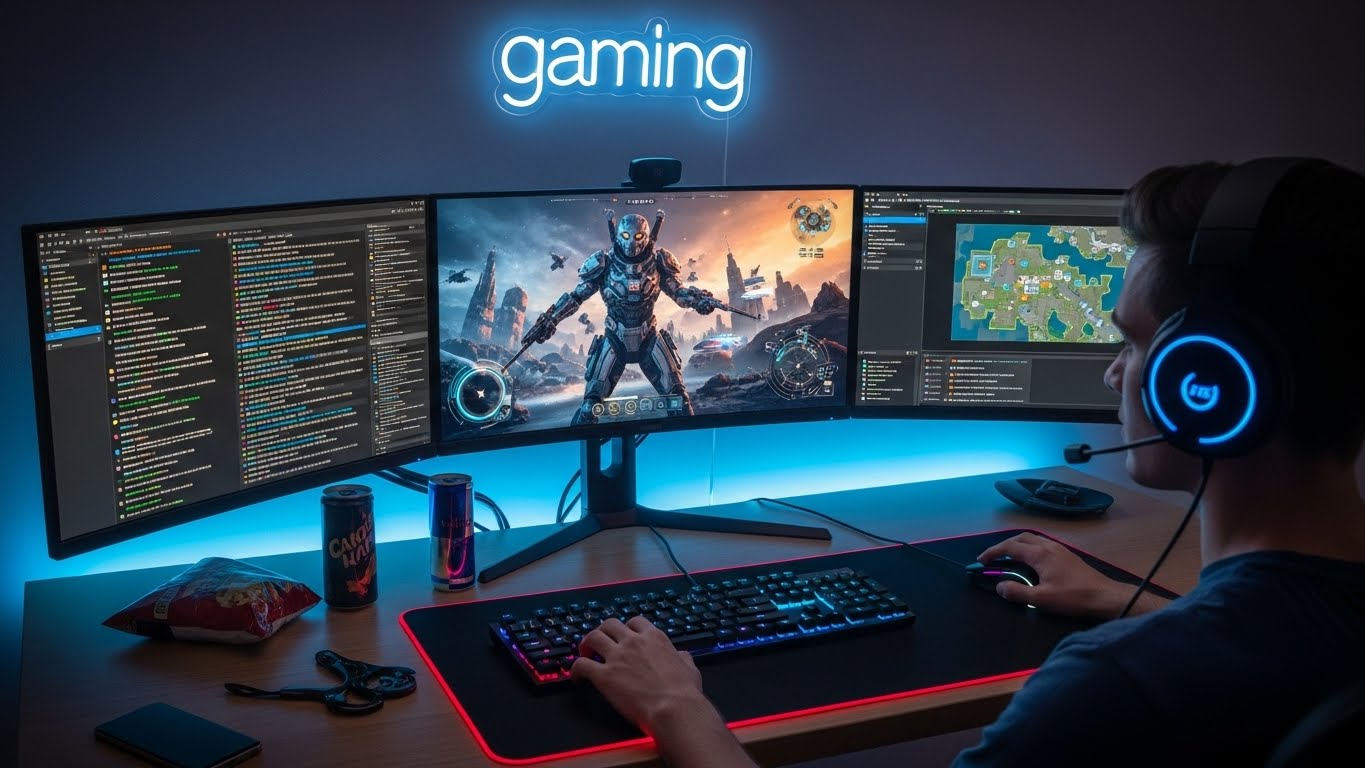
Introduction: A New Era of Play
Gaming has grown far beyond a simple pastime. What was once viewed as a niche hobby has transformed into a global cultural force that shapes entertainment, technology, storytelling, and even social interaction. Today’s games are expansive digital worlds filled with art, emotion, challenge, and connection. Whether played on a console, a PC, or a mobile device, games have become a modern playground for creativity and expression. In this blog post, we’ll explore how gaming has evolved, why it resonates so deeply with people, and what the future of interactive entertainment looks like.
The Rise of Interactive Storytelling
One of the biggest transformations in gaming is the shift toward immersive storytelling. Early games focused primarily on mechanics—jumping platforms, defeating enemies, or achieving high scores. Modern games, however, weave complex narratives that rival movies and novels in emotional depth.
Players no longer simply control characters; they become them. The decisions they make influence the world around them, shaping unique experiences that linear media cannot provide. This sense of agency is the heart of interactive storytelling. It creates emotional ties between players and virtual worlds, allowing them to experience joy, tragedy, triumph, and loss in ways that feel deeply personal. Games can make us laugh, cry, and question our own values. In many cases, they inspire empathy and understanding by placing us in perspectives far different from our own.
Graphics and Technology: A Leap Into Realism
The rapid advancement of graphics and computing power has significantly contributed to gaming’s evolution. Modern engines render stunning landscapes, lifelike characters, and intricate details that blur the lines between virtual and real. Lighting, physics, and animation bring environments to life in ways that were unimaginable just a decade ago.
Equally important is how technology has improved performance. Smooth frame rates, fast loading times, and responsive controls heighten immersion and make gameplay more enjoyable. Devices like virtual reality headsets push this even further, allowing players to step inside their favorite worlds and interact with them physically. Technology has elevated gaming into an art form, showcasing the creativity of developers and the limitless potential of digital design.
The Social Power of Gaming
Gaming is no longer a solitary experience. Online multiplayer has created massive digital communities where millions of players connect, collaborate, and compete. These interactions can form long-lasting friendships, even across continents. For many, gaming is a social lifeline—especially during difficult times when physical interaction may be limited.
Cooperative gameplay encourages teamwork and leadership, while competitive modes hone strategic thinking and quick decision-making. Social platforms within games also allow players to express themselves through avatars, customizing their appearance to reflect their personality. These shared experiences strengthen bonds and create memorable moments that players cherish for years.
Gaming as a Learning Tool
While gaming is often celebrated for entertainment, its value as an educational tool is increasingly recognized. Games teach problem-solving, resource management, and decision-making. Strategy games sharpen critical thinking. Puzzle games enhance memory and focus. Even action games improve hand-eye coordination and reaction times.
Beyond cognitive skills, games can teach real-world concepts. Historical titles allow players to explore ancient civilizations. Science-based games demonstrate physics and biology through interactive simulations. Many educational institutions now use gamified learning to make lessons more engaging and accessible. When learning is wrapped in play, information becomes easier to absorb and remember.
The Creativity of Game Developers
Behind every great game is a team of talented individuals—artists, designers, writers, programmers, musicians, and producers. Game development is a collaborative craft where creativity thrives. Designers imagine worlds filled with unique characters and lore. Programmers bring those ideas to life through code. Artists create visual beauty, while composers add emotional depth with music.
The diversity of roles in the gaming industry reflects its creative richness. Indie developers, in particular, have pushed boundaries by experimenting with unconventional styles and gameplay. Their smaller teams and budgets allow for bold ideas, resulting in innovative titles that offer fresh experiences. The industry flourishes because creators continuously challenge themselves to build something extraordinary.
Gaming and Mental Health: A Complex but Positive Impact
The relationship between gaming and mental health is often misunderstood. While excessive play can lead to issues, moderate and mindful gaming has many benefits. Games provide a sense of accomplishment, offering rewards for effort and persistence. They can help players relax, relieve stress, and escape from daily pressures.
Certain games promote mindfulness through calm gameplay and soothing music. Cooperative games foster social connection, reducing feelings of loneliness. Story-driven games can validate emotions by presenting relatable characters and struggles. For many, gaming is a safe space where they can unwind, explore, and express themselves freely. When balanced with real-life responsibilities, gaming can be a powerful tool for emotional well-being.
The Influence of Esports and Streaming
Competitive gaming has evolved into a massive global industry known as esports. Professional players train rigorously, participate in tournaments, and earn recognition much like traditional athletes. Esports events attract large audiences, both online and in-person, demonstrating the growing influence of competitive gaming.
Streaming platforms have also transformed how people engage with games. Players can broadcast their gameplay, entertain audiences, and build communities. This shift has turned gaming into a spectator sport where viewers enjoy commentary, tutorials, and humorous moments. The rise of gaming influencers has inspired many people to explore titles they might not have discovered otherwise. Streaming has democratized content creation and given players a platform to share their passion.
Mobile Gaming: Accessibility for Everyone
Mobile devices have opened the door for millions of new gamers around the world. With smartphones becoming more powerful, mobile games now offer impressive graphics and deep gameplay. The convenience of playing anytime and anywhere has made gaming more accessible than ever.
Mobile titles cater to a wide range of preferences—casual puzzle lovers, strategy enthusiasts, story-driven explorers, and competitive players. This diversity invites people of all ages and backgrounds to participate in gaming culture. Mobile gaming has proven that you don’t need expensive hardware to enjoy rich and rewarding experiences.
The Future of Gaming: Boundless Possibilities
As technology continues to evolve, so does the potential of gaming. Artificial intelligence may soon create worlds that adapt dynamically to a player’s actions. Virtual and augmented reality will deepen immersion, making digital experiences feel even more tangible. Cloud gaming promises instant access to high-quality titles without the need for powerful devices.
Developers will continue to explore new genres, mechanics, and artistic styles. Players will gain more control over their experiences, customizing worlds that reflect their individuality. The future of gaming will be shaped by innovation, imagination, and the collective passion of its global community. The only limit is creativity—and creativity in gaming shows no signs of slowing down.
Conclusion: Why Gaming Matters
Gaming is more than entertainment; it is a cultural phenomenon that brings people together, inspires creativity, and opens doors to new worlds. It challenges us to think differently, encourages us to connect with others, and offers an escape when we need it most. Games tell stories that move us, teach lessons that stay with us, and create memories that last a lifetime.
As the gaming industry continues to evolve, it will remain a vital part of how we play, learn, and interact. Whether you’re a casual player or a dedicated enthusiast, the world of gaming has something meaningful to offer. And as we move forward into new technological frontiers, one thing is certain: gaming will continue to shape our culture, ignite our imagination, and remind us that play is a powerful and universal human experience.