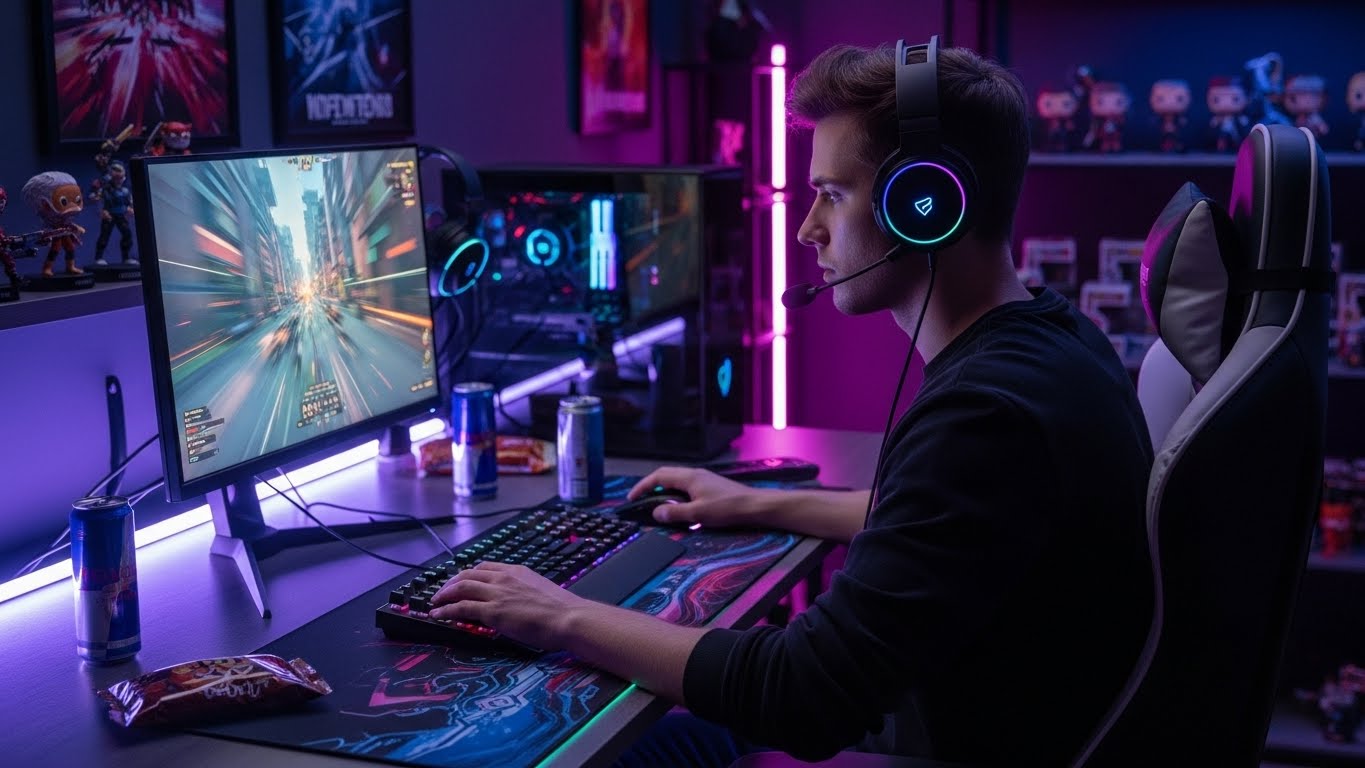
Introduction: More Than Just a Hobby
Gaming has evolved far beyond the simple pixelated adventures of the past. Today, it is a global culture, a competitive space, a creative outlet, and even a career path for millions. Whether you play on a console, PC, or mobile device, gaming offers more than just entertainment. It can sharpen your mind, enhance your problem-solving abilities, and connect you with people from all over the world. In this blog, we explore how gaming continues to influence our lives, shape our personalities, and drive innovation across industries.
The Evolution of Gaming Culture
Gaming culture has come a long way from local arcades to online multiplayer universes. Decades ago, playing games meant gathering at a friend’s house or feeding coins into an arcade machine. Today, gamers can jump into massive online worlds, join competitive tournaments, or create their own virtual experiences. This shift has transformed gaming from an isolated hobby into a cultural phenomenon. The rise of digital communities has played a huge role, giving players the ability to share achievements, strategies, artwork, and stories. As a result, gaming is no longer just a pastime but a shared global identity.
The Rise of Competitive Gaming
Competitive gaming, often called esports, has turned virtual battles into real-world events with professional players, coaches, analysts, and huge audiences. What used to be casual competition among friends has become a structured and highly organized field. Teams practice daily, study strategies, and even hire mental coaches to stay sharp during tournaments. This level of dedication shows just how far gaming has grown. Esports athletes are celebrated in their communities, and their success encourages younger players to pursue gaming not only as a hobby but as a potential profession. The competitive scene also inspires teamwork, quick thinking, and discipline, skills that extend beyond the game itself.
The Creative Power of Games
One of the most exciting aspects of gaming is its creative potential. Games spark imagination by offering immersive stories, intricate worlds, and limitless possibilities. Some games encourage players to design their own creations, from custom characters to entire landscapes. Through modding, fan art, storytelling, and in-game creativity tools, players can express themselves in ways traditional media cannot always offer. This encourages artistic growth, innovation, and self-expression. Many designers and storytellers in today’s entertainment industries got their start by experimenting with games, proving how gaming nurtures creativity from a young age.
Gaming as a Learning Tool
Gaming isn’t just about fun; it is a surprisingly powerful educational tool. Many games are designed to challenge the mind, encouraging players to think critically, solve puzzles, and analyze environments. Strategy games help improve planning and decision-making. Role-playing games teach players to manage resources, build character skills, and understand consequences. Even fast-paced action games can improve reflexes and situational awareness. Teachers and educators have also embraced gaming as a way to engage students in new and interactive ways. Gamified learning has become a popular approach because it makes complex subjects more accessible and enjoyable.
Social Connections and Community Building
Gaming brings people together like few other activities can. Whether you’re teaming up with friends in a cooperative mission or competing against players across the world, gaming fosters connection. Online communities often become spaces where players support each other, share tips, or simply enjoy discussing their favorite titles. These relationships can grow into long-lasting friendships, even if the individuals never meet in person. For many people, gaming provides a sense of belonging, especially those who may feel isolated in other parts of life. Digital worlds can become a safe space where everyone has the opportunity to express themselves and find people with similar interests.
The Mental Benefits of Gaming
Contrary to old stereotypes, gaming offers several mental benefits. Many players find gaming to be a form of stress relief, providing an escape from daily pressures. The immersive nature of games allows the mind to shift focus and relax. Games that require multitasking, strategy, or quick decision-making can challenge the brain and strengthen cognitive skills. Research has shown that gaming may enhance memory, improve attention, and boost problem-solving abilities. Even story-driven games can have positive effects, helping players build empathy by allowing them to experience life from different perspectives. When played in moderation, gaming can be a healthy and enriching part of daily life.
Technology Driving Innovation
The gaming industry constantly pushes the boundaries of technology. High-performance graphics, advanced physics engines, and artificial intelligence have transformed how games look and feel. Virtual reality and augmented reality continue to evolve, offering entirely new ways to experience interactive entertainment. These innovations don’t just stay within the gaming world; they influence fields like medicine, engineering, architecture, and education. For example, simulation software used to train pilots or surgeons often originates from gaming technology. The creativity and competition within the gaming industry inspire developers and engineers to continue improving the tools that shape our digital future.
Balancing Gaming and Real Life
While gaming offers a wide range of benefits, balance is essential. It is easy to get lost in an exciting story or competitive match, but maintaining a healthy lifestyle requires moderation. Setting time limits, taking breaks, and engaging in other hobbies can help maintain balance. This also allows gaming to remain enjoyable rather than overwhelming. Parents and younger players can establish schedules that prioritize responsibilities such as school, work, and physical activity. When approached mindfully, gaming can coexist with real-life goals and even support personal growth.
The Future of Gaming
The future of gaming looks more innovative than ever. With advancements in artificial intelligence, cloud gaming, and immersive technologies, the next generation of games will be more responsive, realistic, and accessible. Cloud gaming is removing the need for expensive hardware, allowing players to enjoy high-quality games on any device. AI will continue to shape smarter non-player characters, personalized experiences, and dynamic worlds that adapt to each player’s actions. The lines between virtual and real life may continue to blur as developers explore new ways to blend storytelling, creativity, and interaction. The future promises an exciting evolution that gamers worldwide are eager to experience.
Conclusion: Why Gaming Matters
Gaming is more than just a way to pass time. It is a global community, a learning tool, a competitive sport, and a creative platform. It encourages us to think, collaborate, and explore new possibilities. For many people, gaming is an escape, a passion, and a source of inspiration. As technology continues to advance, gaming will only become more influential, shaping not only entertainment but also education, innovation, and human connection. Whether you play casually or competitively, gaming offers experiences that help us grow, imagine, and connect in meaningful ways. It is a journey full of discovery, and it continues to level up with each new generation of players and creators.