
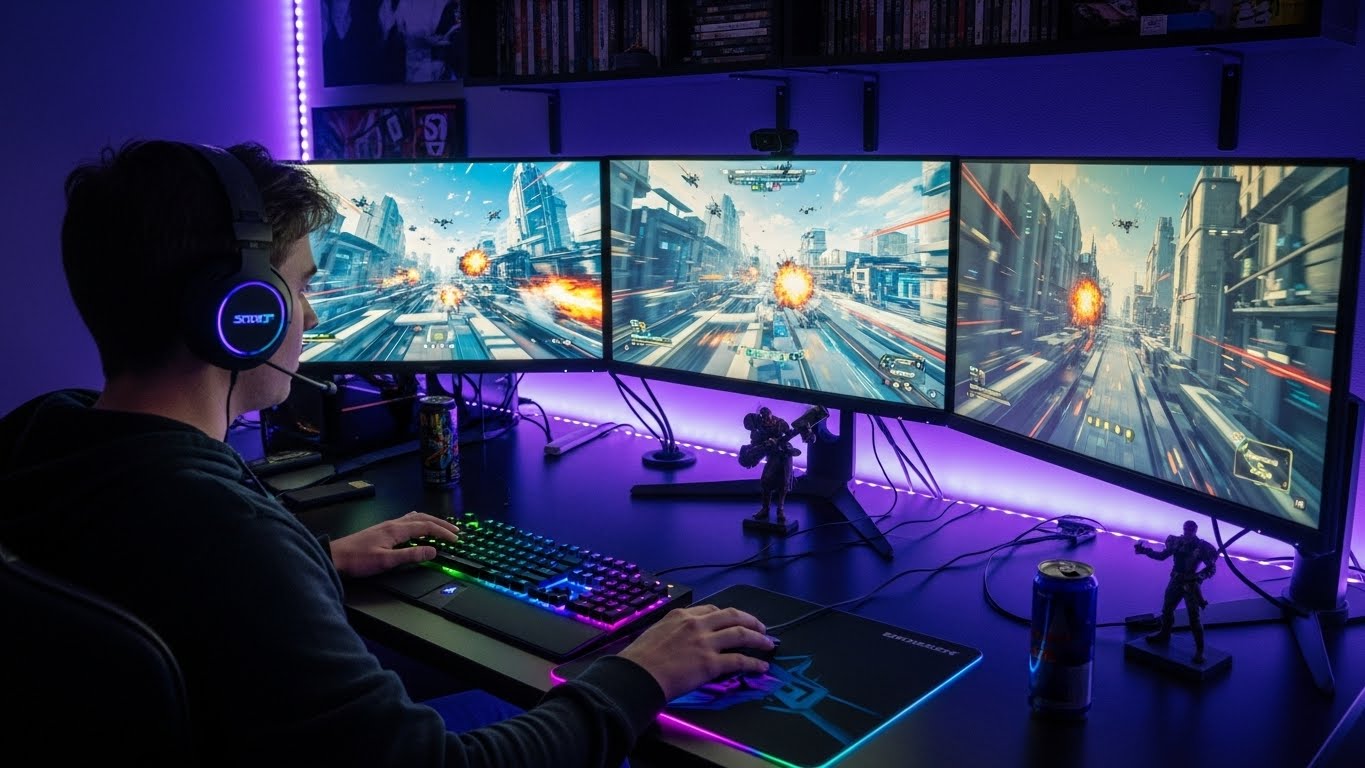
Gaming is no longer just a pastime; it has become a cultural phenomenon that spans continents, generations, and genres. From casual mobile games to competitive eSports tournaments, gaming has evolved into a multifaceted form of entertainment that impacts social interactions, cognitive development, and even careers. In this blog, we will delve deep into the world of gaming, exploring its evolution, benefits, challenges, and the future it holds for enthusiasts worldwide.
The Evolution of Gaming
Gaming has come a long way from its humble beginnings. The earliest games were simple and often limited by technology. In the 1970s, arcade games like Pong introduced people to the idea of digital entertainment. The 1980s and 1990s saw a surge in home consoles, allowing players to enjoy games in the comfort of their living rooms. Iconic franchises such as Super Mario, The Legend of Zelda, and Sonic the Hedgehog captured the imagination of millions and established gaming as a mainstream hobby.
The introduction of personal computers revolutionized gaming further, offering enhanced graphics, complex gameplay, and more interactive experiences. Today, gaming spans across multiple platforms, including consoles, PCs, and smartphones, and has embraced technologies like virtual reality and augmented reality, making the gaming experience more immersive than ever before.
Why Gaming is More Than Just Fun
Many people view gaming as a simple form of entertainment, but it offers much more than just fun. Games can enhance cognitive abilities, improve hand-eye coordination, and foster strategic thinking. Puzzle games challenge problem-solving skills, while fast-paced action games sharpen reflexes and decision-making abilities. Moreover, simulation and strategy games often encourage long-term planning and resource management, skills that can translate into real-world applications.
In addition to cognitive benefits, gaming can also provide significant emotional and social advantages. Multiplayer games foster collaboration, teamwork, and communication. Online communities offer spaces for players to connect with like-minded individuals, share experiences, and build friendships that often extend beyond the virtual world. For many, gaming serves as a safe outlet to relieve stress, express creativity, and explore new worlds without physical boundaries.
The Rise of eSports
One of the most remarkable developments in the gaming industry is the rise of eSports. Competitive gaming has transformed into a global spectacle, attracting millions of viewers and offering lucrative career opportunities for professional players. Games like League of Legends, Dota 2, and Counter-Strike have become eSports staples, with tournaments boasting prize pools in the millions.
eSports has also challenged traditional perceptions of sports and competition. Professional gamers train rigorously, analyze strategies, and develop teamwork dynamics similar to athletes in conventional sports. This competitive aspect has increased the legitimacy of gaming as a career path and has inspired a new generation of players to pursue professional gaming seriously.
Gaming and Creativity
Games are often celebrated for their immersive storytelling and artistic expression. Many games feature expansive worlds, intricate narratives, and detailed character designs that rival those of films and literature. Players are not just passive observers; they actively participate in shaping the story, making decisions that influence outcomes and exploring vast landscapes filled with hidden secrets and challenges.
Sandbox games like Minecraft, The Sims, and Roblox exemplify the creative potential of gaming. These platforms allow players to build, design, and experiment in virtual environments without limits. For many, gaming has become a form of self-expression, a medium where imagination comes to life, and creativity thrives.
The Psychological Impact of Gaming
Gaming can have profound psychological effects, both positive and negative. On the positive side, gaming can boost self-confidence, improve problem-solving abilities, and provide a sense of achievement. Successfully completing challenges, leveling up characters, or mastering complex mechanics can enhance motivation and persistence.
However, it is essential to recognize the potential risks associated with excessive gaming. Prolonged sessions, social isolation, and neglecting responsibilities can lead to negative outcomes. Balancing gaming with other aspects of life, such as work, education, and physical activity, is crucial to ensuring a healthy relationship with games. Mindful gaming practices, including time management and setting boundaries, help players enjoy the benefits while minimizing adverse effects.
Gaming as a Social Connector
Contrary to the stereotype of the solitary gamer, gaming often strengthens social bonds. Online multiplayer games provide opportunities for players to collaborate, compete, and communicate across distances. Communities form around shared interests, fostering camaraderie and a sense of belonging.
Events such as gaming conventions and tournaments further reinforce these social connections. Players come together to celebrate their passion, share knowledge, and participate in activities that strengthen community ties. Gaming has become a medium through which people form meaningful relationships, both online and offline.
The Technological Advancements Driving Gaming
The gaming industry is closely intertwined with technological innovation. Graphics processing units, faster internet connections, and advanced software have transformed the quality and complexity of games. Virtual reality and augmented reality technologies have introduced entirely new dimensions to gaming, allowing players to immerse themselves in lifelike environments and interact with digital worlds in unprecedented ways.
Artificial intelligence also plays a significant role, enhancing game design and player experience. AI-driven non-player characters respond dynamically to player actions, creating more realistic and challenging gameplay. Procedural generation techniques allow for expansive, ever-changing worlds that offer endless exploration possibilities. These technological advancements not only improve entertainment value but also open new opportunities for creativity and storytelling.
Gaming and Education
The educational potential of gaming is increasingly recognized by educators and researchers. Educational games engage students in interactive learning experiences that promote critical thinking, problem-solving, and collaboration. Subjects ranging from mathematics and science to history and languages can be taught through game-based learning platforms, making education more engaging and effective.
Gamification, the integration of game elements into non-gaming contexts, has also found applications in professional development, corporate training, and skill-building programs. By incorporating rewards, challenges, and interactive simulations, gamification enhances motivation and learning outcomes. Gaming has thus emerged as a versatile tool that extends beyond entertainment into education and personal development.
Challenges and Controversies in Gaming
While gaming offers numerous benefits, it is not without challenges. Concerns regarding addiction, violent content, and screen time have sparked debates among parents, educators, and policymakers. It is important to differentiate between responsible gaming and problematic behavior. Setting limits, monitoring content, and fostering awareness of healthy gaming habits are essential steps in addressing these concerns.
The industry also faces challenges related to inclusivity and representation. Historically, gaming has been criticized for gender imbalance, lack of diversity, and stereotyping. Recent efforts aim to create more inclusive games that reflect a broader range of experiences and perspectives, ensuring that gaming is accessible and welcoming to all players.
The Future of Gaming
The future of gaming is brimming with possibilities. Cloud gaming promises to eliminate hardware barriers, allowing players to stream high-quality games on any device. Advances in artificial intelligence and machine learning will continue to enhance game design, creating more personalized and adaptive experiences.
Social and cultural integration will further redefine gaming’s role in society. As virtual spaces become more sophisticated, games may serve as platforms for social interaction, creative expression, and professional development. The line between virtual and real-world experiences will continue to blur, opening new opportunities for storytelling, learning, and entertainment.
Conclusion
Gaming is more than a hobby; it is a dynamic and evolving medium that impacts individuals, communities, and society at large. From cognitive benefits and social connections to creative expression and professional opportunities, gaming offers a wealth of experiences that go far beyond mere entertainment. While challenges exist, mindful engagement and responsible practices can ensure that gaming remains a positive force in our lives.
As technology advances and new experiences emerge, the world of gaming will continue to grow and diversify. Whether you are a casual player, a competitive gamer, or someone curious about exploring virtual worlds, gaming has something to offer for everyone. It is a space where imagination meets strategy, collaboration meets competition, and entertainment meets personal growth. Embrace the world of gaming, and you may discover that it is not just a pastime but a journey of endless possibilities.