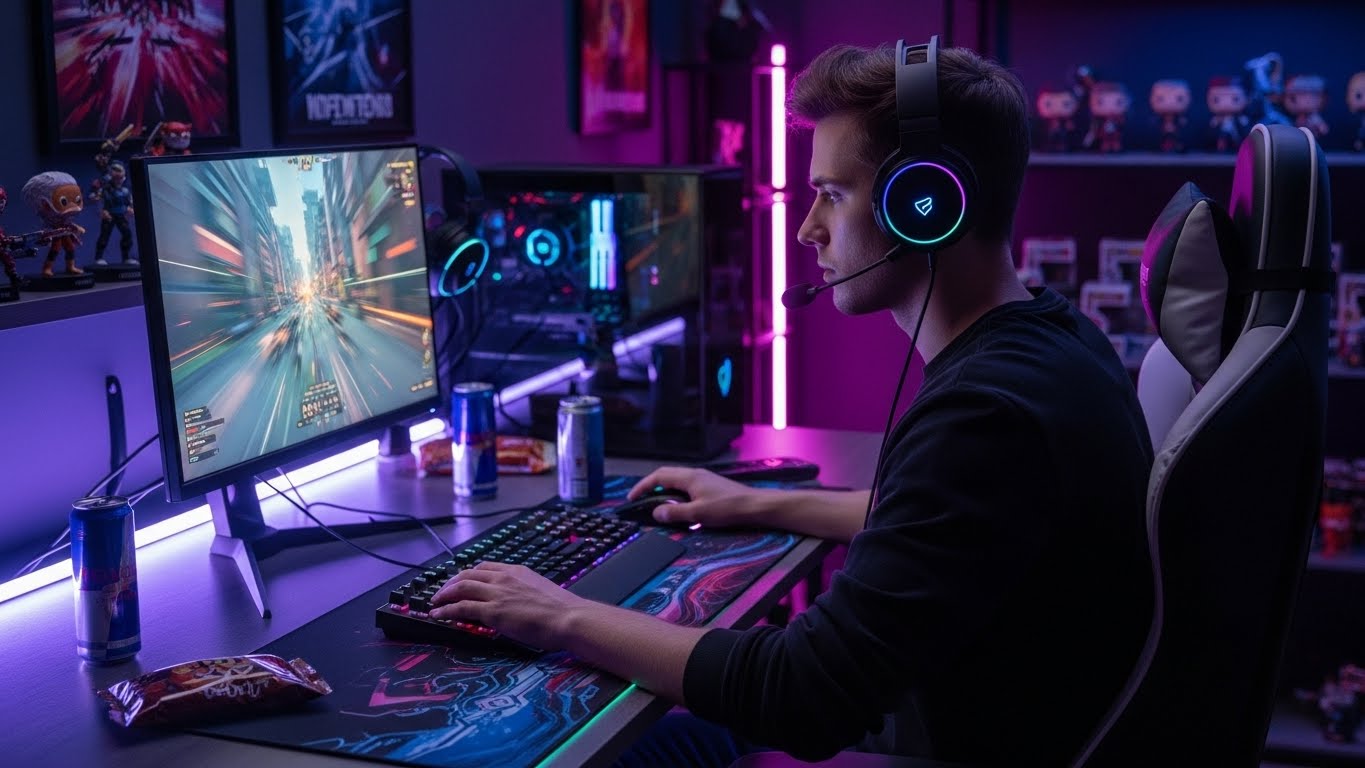

Introduction: Gaming Beyond Entertainment
Gaming has transformed from a simple pastime into a powerful cultural and technological phenomenon. What started as pixelated screens and arcade cabinets has evolved into immersive digital worlds that influence millions of people worldwide. Today, gaming is not just a form of entertainment; it is a platform for creativity, learning, social connection, and even professional careers.
Modern gaming encompasses a wide array of platforms, including consoles, personal computers, mobile devices, and cloud-based systems. Games range from casual mobile puzzles to competitive esports, strategy simulations, and open-world adventures. This blog explores the multifaceted impact of gaming on individuals, society, and the global economy, illustrating how it has become more than a hobby—it is a transformative medium.
The Evolution of Gaming: From Arcades to Digital Empires
The history of gaming traces back to the 1970s, when games like Pong and Space Invaders gained popularity in arcades. These early games were simple, yet they introduced concepts of competition, high scores, and skill mastery. The 1980s and 1990s saw the rise of home consoles such as the Nintendo Entertainment System and Sega Genesis, bringing gaming into living rooms and making it accessible to broader audiences.
With the introduction of personal computers, gaming became more complex and interactive. Titles like Doom, StarCraft, and Warcraft introduced immersive gameplay, multiplayer modes, and strategic challenges. The internet revolutionized gaming, enabling online multiplayer experiences, global competitions, and connected communities. Today, gaming integrates advanced graphics, virtual reality, artificial intelligence, and interactive storytelling, offering unprecedented experiences to players worldwide.
Cognitive Benefits of Gaming
Gaming is more than entertainment; it offers significant cognitive benefits. Strategy games and puzzles enhance problem-solving skills, critical thinking, and decision-making. Players must anticipate outcomes, adapt strategies, and manage resources effectively. Fast-paced action games improve reflexes, hand-eye coordination, and spatial awareness.
Role-playing and simulation games encourage creativity, memory retention, and analytical thinking. Many studies suggest that consistent gaming can improve cognitive flexibility, attention, and multitasking abilities. By engaging players intellectually, gaming can serve as a tool for personal development and mental agility.
Social Interaction and Community Building in Gaming
Gaming fosters social interaction and community engagement. Online multiplayer games connect players across the globe, promoting teamwork, collaboration, and communication. Cooperative gameplay encourages players to strategize, share resources, and work toward common objectives, teaching skills that extend beyond the virtual environment.
Streaming platforms and gaming communities further enhance social connectivity. Players share gameplay, discuss tactics, and build friendships based on shared interests. Competitive esports creates fandoms similar to traditional sports, with players and teams cultivating passionate fan bases. Gaming has thus evolved into a social medium that strengthens bonds and fosters collective identity.
Emotional and Psychological Impact of Gaming
Gaming can have a positive effect on emotional well-being. Completing challenging objectives and progressing through game levels creates a sense of achievement, boosting confidence and motivation. Many players find gaming to be a form of stress relief, providing an immersive escape from daily pressures.
Narrative-driven games encourage empathy and emotional intelligence as players engage with diverse characters and storylines. Team-based games foster supportive behavior, collaboration, and mutual respect. When balanced with daily life, gaming can enhance emotional resilience, self-confidence, and social understanding.
Gaming as an Educational Tool
Gaming has increasingly been recognized for its educational potential. Educational games teach subjects such as mathematics, science, language, and history through interactive and engaging experiences. Simulation games allow players to experiment with real-world scenarios, such as city planning, resource management, or historical reenactments, promoting critical thinking and problem-solving skills.
Professional skills can also be developed through gaming. Strategy, decision-making, leadership, and teamwork are integral to many games, particularly in competitive and multiplayer formats. Some schools and organizations have integrated gaming into curricula and training programs, highlighting its value as a tool for learning and skill development.
The Economic Impact of Gaming
The gaming industry is a major contributor to the global economy, generating billions of dollars annually. Revenue streams include game sales, in-game purchases, downloadable content, merchandise, esports events, and streaming platforms. Large-scale tournaments and conventions boost local economies through tourism, hospitality, and event management.
Gaming has also created diverse career opportunities beyond playing. Professionals work in game development, programming, design, animation, content creation, event organization, marketing, and esports management. Professional players and streamers earn substantial incomes, while gaming communities drive brand engagement and economic activity. The industry’s financial influence rivals that of traditional entertainment sectors.
Technological Innovations in Gaming
Advances in technology have transformed gaming experiences. High-performance consoles, PCs, and mobile devices provide realistic graphics, immersive gameplay, and faster performance. Virtual reality and augmented reality are creating new levels of interactivity, allowing players to experience games in unprecedented ways.
Artificial intelligence enhances game design by creating adaptive challenges and responsive virtual environments. Cloud gaming eliminates hardware barriers, making high-quality games accessible to wider audiences. Online platforms integrate social networking, multiplayer interactions, and live streaming, ensuring that gaming continues to evolve dynamically with technology.
Esports: Competitive Gaming at the Highest Level
Esports has emerged as a professional arm of the gaming industry. Competitive gaming draws millions of viewers globally, with tournaments offering substantial prize pools and sponsorship opportunities. Popular esports titles include League of Legends, Dota 2, Counter-Strike, and Fortnite.
Professional esports players train rigorously, focusing on strategy, reflexes, and teamwork. Esports organizations employ coaches, analysts, and support staff, paralleling traditional sports structures. Universities and academies now offer esports programs and scholarships, further legitimizing gaming as a professional and competitive pursuit. The rise of esports demonstrates the cultural and economic significance of gaming in the modern era.
Cultural Influence of Gaming
Gaming has become a cultural force that extends beyond the screen. Iconic game franchises inspire films, novels, merchandise, and fan communities. Cosplay, fan art, and streaming content have created participatory cultures that celebrate creativity and shared interests.
Streaming platforms and social media amplify gaming’s cultural impact. Players and fans interact globally, sharing experiences and forming communities based on their favorite games and players. Gaming influences fashion, music, and entertainment trends, demonstrating its role in shaping contemporary culture and lifestyle.
Challenges in Gaming
While gaming has numerous benefits, it also presents challenges. Excessive gameplay can lead to sedentary behavior, eye strain, and disrupted sleep patterns. Online interactions may expose players to toxicity, harassment, or addictive behaviors.
Balancing gaming with education, work, and physical activity is essential for overall well-being. Game developers and community organizers are increasingly emphasizing responsible gaming practices, including time management, moderation, and positive online behavior. Addressing these challenges ensures that gaming remains a sustainable and healthy activity.
The Future of Gaming
The future of gaming is poised for growth, innovation, and greater accessibility. Virtual and augmented reality will create more immersive experiences, while artificial intelligence will enhance gameplay and personalization. Cloud-based gaming will allow players to access high-quality games without expensive hardware, broadening global participation.
Gaming will continue to influence education, professional development, entertainment, and culture. Esports will expand, providing additional career opportunities and global competitive platforms. As technology advances and gaming communities grow, gaming will remain a dynamic force shaping society, skills, and digital culture.
Conclusion: Gaming as a Transformative Medium
Gaming is more than a form of entertainment—it is a transformative medium that shapes cognition, social interaction, emotional well-being, and cultural engagement. It fosters creativity, strategic thinking, collaboration, and personal growth while offering career opportunities and driving economic activity.
From casual players to professional esports athletes, gaming has created communities, professions, and shared experiences that extend across borders. As technology continues to evolve, gaming will remain a central part of modern life, offering immersive experiences, social connections, and opportunities for learning and development. Gaming has proven that interactive digital worlds can educate, entertain, and unite, shaping the future of human interaction in the digital age.