
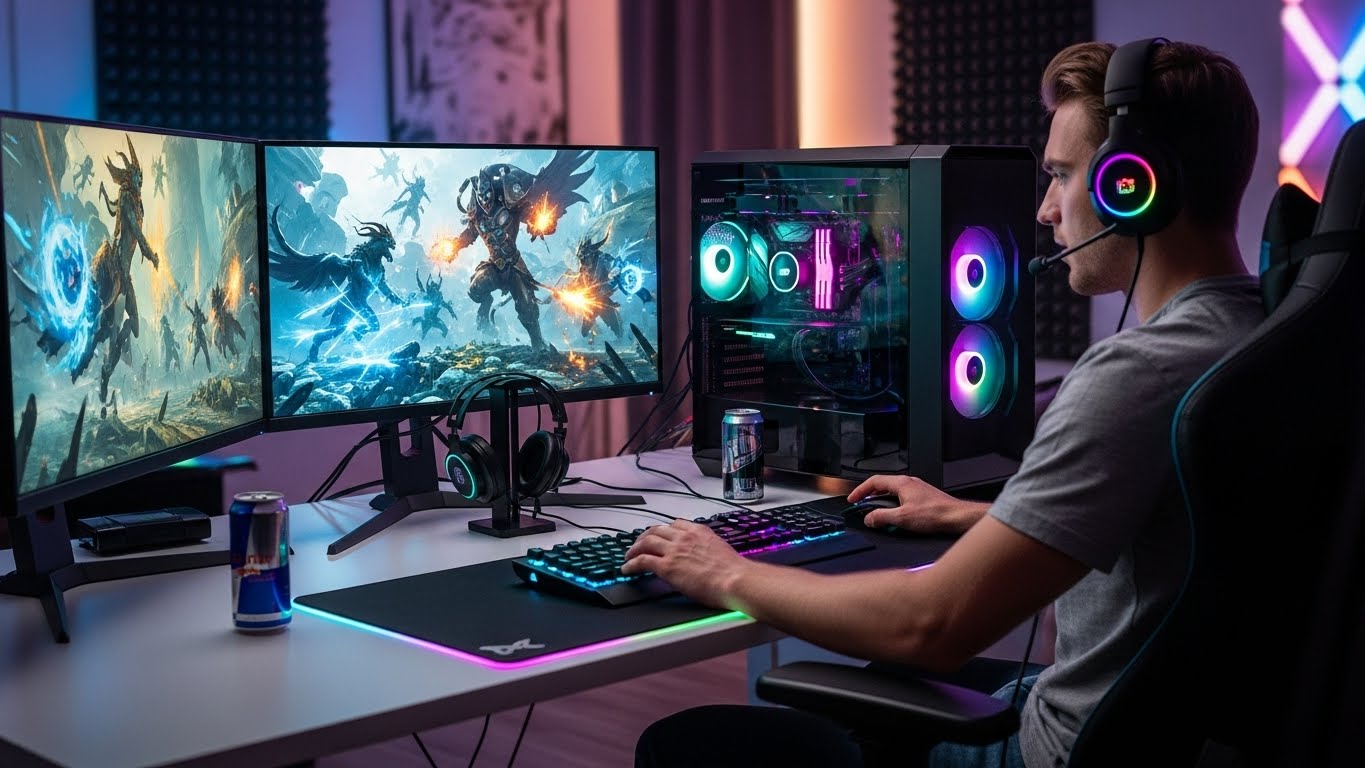
Gaming has evolved far beyond its original form as a casual pastime. Today, it is a global phenomenon that spans consoles, computers, mobile devices, and cloud-based platforms. Gaming is no longer just about entertainment—it intersects with culture, technology, education, and even professional careers. From casual puzzle games to competitive esports, gaming engages millions of players worldwide, offering immersive experiences, strategic challenges, and opportunities for social interaction. This blog explores the evolution of gaming, its cultural and cognitive impact, technological innovations, and the trends shaping its future.
The Evolution of Gaming
Gaming has a rich history that dates back decades. Early arcade games like Pong and Space Invaders captured the imagination of players in the 1970s and 1980s. Home consoles such as the Nintendo Entertainment System and Sega Genesis brought gaming into living rooms, expanding its reach and accessibility. Personal computers introduced complex strategy and simulation games, creating a platform for innovation and creativity.
With the advent of the internet, multiplayer games became possible, allowing players to compete and collaborate online. This development laid the foundation for massive online communities and esports competitions. The rise of mobile gaming and cloud platforms further transformed the industry, making gaming more accessible and immersive than ever. The evolution of gaming reflects advances in technology, culture, and player expectations, highlighting its dynamic nature.
Gaming as a Form of Entertainment
Gaming is a unique form of entertainment because it is interactive, immersive, and participatory. Unlike movies or television, which are passive experiences, games allow players to make decisions, influence outcomes, and explore virtual worlds. Story-driven games transport players into narratives filled with complex characters, emotional arcs, and imaginative scenarios. Action and adventure games provide adrenaline-fueled excitement, while puzzle and strategy games challenge players’ intellect and problem-solving skills.
The entertainment value of gaming extends beyond individual play. Social features, multiplayer modes, and online tournaments create shared experiences, fostering camaraderie and friendly competition. Gaming combines fun with engagement, making it one of the most compelling forms of entertainment in the digital age.
Social and Community Aspects of Gaming
One of gaming’s most significant impacts is its ability to create communities. Multiplayer games allow players to collaborate, compete, and communicate in real-time, forging friendships across geographic boundaries. Online platforms host forums, guilds, and tournaments where players share strategies, discuss experiences, and celebrate achievements.
Esports has elevated social gaming to a professional level, turning competitions into spectator events watched by millions worldwide. Fans follow players and teams, interact in online communities, and participate in global gaming culture. These social dynamics highlight gaming’s role in connecting people, fostering teamwork, and building communities centered around shared interests.
Cognitive Benefits and Skill Development
Gaming is not only entertaining but also intellectually stimulating. Strategic and puzzle-based games enhance problem-solving, decision-making, and critical thinking. Fast-paced action games improve reflexes, hand-eye coordination, and multitasking abilities. Simulation and management games teach resource allocation, planning, and adaptability.
Research has shown that gaming can improve memory, spatial reasoning, and cognitive flexibility. Players learn to analyze patterns, anticipate outcomes, and adjust strategies, skills that translate into real-world applications. Gaming encourages perseverance and resilience, teaching players to embrace challenges, learn from mistakes, and celebrate incremental progress.
Gaming and Creativity
Many games encourage creativity by allowing players to design, customize, and build virtual environments. Sandbox and open-world games provide tools for constructing worlds, creating narratives, and experimenting with gameplay mechanics. Role-playing games foster imaginative thinking, character development, and storytelling.
User-generated content is also a major aspect of gaming culture. Players design mods, create levels, and produce art inspired by games, sharing it with global communities. This creative engagement enriches the gaming experience and cultivates innovation, imagination, and artistic expression.
Professional Gaming and Esports
Gaming has evolved into a professional career path for many players. Competitive gaming, or esports, has grown into a multi-billion-dollar industry with structured leagues, global tournaments, and sponsorship opportunities. Professional gamers train extensively, develop strategies, and compete at the highest levels, similar to traditional sports athletes.
Careers in gaming extend beyond playing. Game development, design, marketing, content creation, and broadcasting offer opportunities for individuals passionate about technology, storytelling, and entertainment. The rise of esports has legitimized gaming as a professional pursuit and highlighted its cultural and economic significance.
Technological Innovation in Gaming
Technology drives innovation in the gaming industry. High-definition graphics, advanced audio systems, and realistic physics engines create immersive experiences. Virtual reality and augmented reality technologies allow players to interact with games in unprecedented ways, simulating lifelike environments and scenarios.
Cloud gaming eliminates hardware limitations, enabling players to access high-quality games on multiple devices. Artificial intelligence enhances gameplay by creating adaptive opponents, dynamic worlds, and personalized challenges. These technological advancements continuously redefine what is possible in gaming, offering players more engaging and realistic experiences.
Educational Potential of Gaming
Gaming also holds significant educational value. Educational games and gamified learning platforms teach subjects such as math, science, history, and language through interactive and engaging methods. Simulation games allow learners to explore real-world scenarios safely, enhancing practical skills and critical thinking.
Gamification techniques, including reward systems and progress tracking, motivate players and increase retention. Educational gaming demonstrates that play and learning are not mutually exclusive; instead, they can complement each other to create effective and enjoyable learning experiences.
Gaming and Mental Health
While gaming offers entertainment and cognitive benefits, it also has implications for mental health. Moderate gaming can reduce stress, provide relaxation, and improve mood. Social interactions within games can combat loneliness and foster a sense of belonging.
However, excessive gaming may lead to issues such as addiction, sleep disruption, and social withdrawal. Responsible gaming practices, time management, and awareness of limits are essential to ensure that gaming remains a positive influence on mental well-being.
Cultural Impact of Gaming
Gaming has become a cornerstone of contemporary culture. Characters, stories, and aesthetics from games influence movies, music, fashion, and art. Gaming terminology and iconography have entered everyday language, while cosplay, fan art, and conventions celebrate gaming culture.
Games also reflect societal values and global trends, offering narratives that explore identity, morality, and social issues. Through storytelling and interactivity, gaming fosters empathy, cultural awareness, and critical engagement, making it a significant cultural phenomenon.
Challenges in Gaming
Despite its benefits, the gaming industry faces challenges. Toxic behavior, harassment, and online misconduct can impact player experience. Representation and inclusivity remain ongoing issues, as some communities may feel underrepresented or marginalized.
Furthermore, technological dependence and screen time management are concerns, particularly for younger players. Developers, community managers, and educators play a crucial role in creating safe, inclusive, and responsible gaming environments.
The Future of Gaming
The future of gaming promises even greater innovation and integration into daily life. Virtual reality, augmented reality, and mixed-reality experiences will redefine immersion and interactivity. Artificial intelligence will personalize experiences, creating adaptive gameplay and dynamic worlds.
Cloud gaming and streaming services will expand accessibility, allowing more people to enjoy high-quality experiences without expensive hardware. Gaming will continue to intersect with education, professional development, and social platforms, ensuring it remains a versatile and influential medium.
Conclusion
Gaming is no longer just a form of play—it is a cultural, educational, and technological force. It entertains, challenges, and inspires, fostering creativity, social interaction, and skill development. From casual mobile games to competitive esports, gaming engages diverse audiences worldwide, creating communities and experiences that transcend geographical boundaries.
As technology advances and gaming continues to evolve, it will remain a dynamic, influential, and transformative part of modern life. The power of gaming lies not only in entertainment but also in its ability to shape culture, enhance cognitive abilities, and bring people together in meaningful ways. Gaming has truly become a medium that entertains, educates, and empowers players across the globe.