
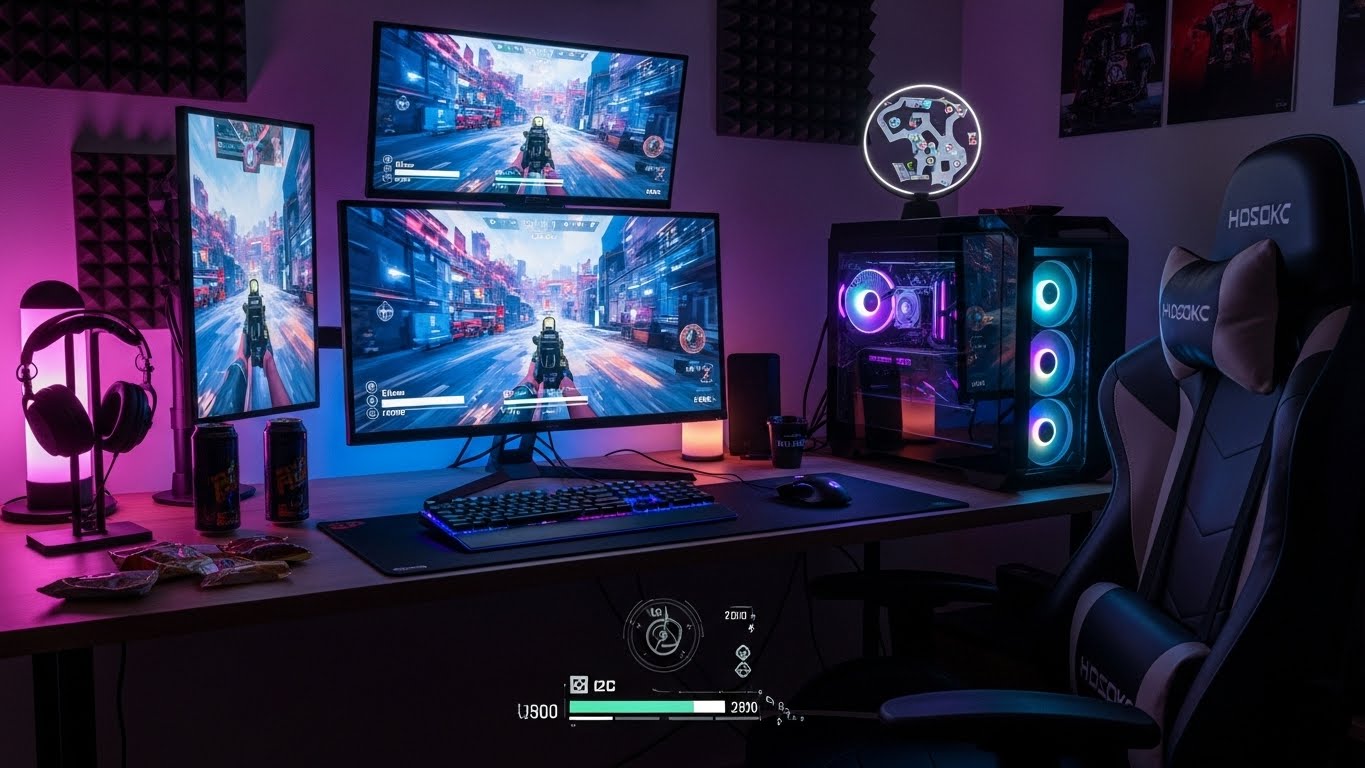
Introduction: Gaming as More Than Entertainment
Gaming is no longer just a hobby; it has evolved into a global phenomenon that connects people, inspires creativity, and drives technology forward. From casual mobile games to epic console adventures, gaming now occupies a significant place in modern culture. It is a medium that blends storytelling, strategy, social interaction, and skill development into one immersive experience. Beyond just entertainment, gaming can influence how we think, learn, and connect with others, making it one of the most influential art forms of the twenty-first century.
The Evolution of Gaming: From Simple Pixels to Complex Worlds
The history of gaming traces back to basic arcade machines and home consoles, where graphics were limited to simple shapes and colors. Early games focused on high scores and simple mechanics, but even then, they sparked creativity and imagination. Over the decades, technological advancements transformed gaming into a highly sophisticated medium. Modern games feature detailed 3D worlds, realistic physics, and lifelike characters that respond dynamically to player actions. This evolution has not only improved visual appeal but also deepened immersion, allowing players to experience stories and challenges like never before.
Immersive Storytelling: Games as Interactive Narratives
One of gaming’s most unique aspects is its ability to tell stories interactively. Unlike movies or books, games allow players to influence the narrative. Decisions made in gameplay can have meaningful consequences, shaping the outcome of the story and the development of characters. This interactive nature creates a stronger emotional connection between the player and the game. Modern games often tackle complex themes such as morality, identity, and social issues, challenging players to think critically and reflect on their choices. In this sense, gaming has become a powerful storytelling medium capable of leaving lasting impressions.
Social Connectivity: Building Communities Through Play
Gaming is no longer a solitary pursuit. Online multiplayer games, virtual worlds, and social gaming platforms have transformed the way players interact. Millions of people connect daily through cooperative missions, competitive matches, or social hubs within games. These interactions foster friendships, teamwork, and communication skills. Gaming communities allow players to find a sense of belonging and shared experience, regardless of geographical boundaries. The social aspect of gaming highlights its potential to build meaningful relationships and communities in a digital world.
Competitive Gaming and Esports: The Rise of Professional Players
The rise of esports has redefined gaming as a competitive and professional pursuit. Players now train rigorously, developing strategies, reflexes, and teamwork that rival traditional sports. International tournaments attract massive audiences, showcasing games as spectator events. Esports has created entire industries, providing careers for players, coaches, analysts, and organizers. This professionalization demonstrates that gaming is not merely entertainment but a serious skill-based field. It also inspires younger generations to pursue careers in technology, media, and game development, showing that passion can translate into opportunity.
Creativity in Gaming: From Player to Creator
Beyond playing, gaming also offers a platform for creativity. Modern games provide tools for players to design levels, modify gameplay, and create entirely new experiences. This freedom encourages imagination and self-expression. Many games even thrive on user-generated content, allowing players to share their creations with a global audience. Fan-made mods, custom maps, and original stories often influence game development and inspire new genres. Gaming thus becomes not just a form of play but a medium for artistic expression and innovation.
Educational Value: Learning Through Interactive Experiences
Games have significant educational potential. They promote problem-solving, critical thinking, memory development, and strategic planning. Many games introduce historical, scientific, or mathematical concepts in interactive ways, making learning engaging and memorable. Gamification techniques are increasingly used in classrooms and training programs to motivate learners and reward achievement. By combining challenge, curiosity, and fun, games demonstrate that learning can be immersive, interactive, and enjoyable.
Mental Health and Emotional Wellbeing: The Therapeutic Side of Gaming
Gaming can positively impact mental health when approached responsibly. Immersive worlds allow players to escape stress, relax, and experience a sense of accomplishment. Certain games even encourage mindfulness, emotional reflection, and social interaction, providing a safe space to explore feelings and manage stress. While moderation is key, responsible gaming can support cognitive growth, emotional resilience, and social engagement. It is not just a pastime but a tool for personal growth and wellbeing.
Technological Innovation Driven by Gaming
Gaming has been a major driver of technological progress. Virtual reality, augmented reality, advanced graphics engines, artificial intelligence, and motion tracking were developed or popularized through gaming. These technologies now extend beyond entertainment into healthcare, education, training, and professional simulation. Gaming pushes the boundaries of creativity and interactivity, inspiring innovations that impact multiple industries. It is a powerful reminder of how entertainment can drive practical technological advancement.
Mobile Gaming: The Power of Accessibility
Mobile gaming has revolutionized the industry by making games accessible to nearly everyone. Smartphones allow people to play anytime, anywhere, from casual puzzles to immersive RPGs. Mobile games fit into busy lifestyles, providing entertainment during commutes, breaks, or leisure time. The accessibility and convenience of mobile gaming have expanded the gaming audience to billions, proving that gaming is no longer confined to consoles or PCs. It has become a universal form of recreation.
Gaming Culture: Fandom, Identity, and Creativity
Gaming has cultivated a vibrant and diverse culture. Fans express their passion through art, music, cosplay, streaming, and community events. This culture fosters creativity, collaboration, and shared identity. Players celebrate favorite characters, compete in tournaments, and engage in discussions about game lore and strategy. Gaming culture also reflects societal trends, including diversity, representation, and storytelling innovation. The influence of gaming culture extends beyond the screen, shaping music, fashion, media, and social interaction in the real world.
Challenges in Gaming: Issues and Opportunities
While gaming has many benefits, it faces challenges such as online harassment, excessive screen time, and accessibility barriers. Representation in game narratives and diversity among developers are still evolving areas. The industry is actively working to address these challenges by promoting safer online spaces, inclusive content, and responsible gaming practices. These challenges also present opportunities for innovation, advocacy, and community growth, pushing the industry toward a more ethical and inclusive future.
The Future of Gaming: Boundless Horizons
The future of gaming promises even greater innovation and immersion. Advances in virtual reality, augmented reality, cloud gaming, and artificial intelligence will redefine what games can offer. Interactive worlds may become more adaptive and personalized, creating experiences that blend digital and real-life interactions. Gaming will continue to foster creativity, competition, education, and social connection. The possibilities are limitless, making gaming an ever-evolving force shaping the way we play, learn, and connect.
Conclusion: Gaming as a Reflection of Humanity
Gaming is no longer merely a form of entertainment; it is a reflection of human creativity, ambition, and social connection. From immersive storytelling to competitive esports, educational experiences, and mental health benefits, gaming impacts our lives in profound ways. It is a medium where technology, imagination, and culture intersect, offering experiences that inspire, challenge, and connect people around the world. Gaming is a window into the human spirit, demonstrating our capacity for creativity, collaboration, and exploration. Beyond the screen, gaming continues to shape culture, technology, and personal growth, proving that play is an essential part of what it means to be human.